Dedicated to enhancing lives, we regularly create custom systems that not only uplift but also empower. This is especially true when organizing for individuals with disabilities. Discover how we've thrown out the rule book as we share our best tips for organizing with purpose when it comes to specific needs.
When organizing for disabilities, the goal is never a one-size-fits-all system. The most effective spaces are built around the individual’s routines, sensory needs, mobility, safety, and independence. From ADHD organization tips to accessible storage solutions, thoughtful organization can help reduce stress, support daily habits, and make the home easier to navigate.
Cystic Fibrosis: Creating a Safe Haven for Imagination

Mia Whalley | NEAT Method New Hampshire
Challenges + Triumphs: Mia worked on organizing a play space for a young boy with cystic fibrosis, a condition that severely limits his ability to interact with the outside world due to the risk of life-threatening infections.
Cystic fibrosis presents unique organizing challenges, as it confines the child's world to a limited space. The need for a clean, toxin-free environment is crucial, while also providing stimulating activities within the safety of the home.
- Tip 1: Prioritize cleanliness and air quality.
- Update walls and flooring materials to be easy to clean and maintain.
- Incorporate air purifiers to ensure the best possible air quality in the play space.
- Tip 2: Create multiple "worlds" within one room.
- Use fun, scene-depicting curtains to section off areas for varied imaginary play.
- This approach expands the child's experiences within the constraints of a single room.
- Tip 3: Maximize storage creatively.
- Utilize vertical space with wall-mounted accessible storage solutions.
- Implement cubbies and shelving that are both functional and visually appealing.
- Organize toys and keepsakes in a way that's easily accessible yet neatly contained.
By focusing on these strategies, Mia transformed the play area into the safest and most engaging space in the home. This project highlighted the importance of working within existing constraints, as replacing items wasn't an option. The result was a room that not only met the client's health needs but also fostered creativity and joy within his necessary limitations.
ADHD - Inattentive Type: Organizing for the Absent-Minded Creative

Lisa Ruff | Past NEAT Method Team Member
Challenges + Triumphs: As a parent of a child with ADHD - Inattentive Type, Lisa faced unique organizing challenges that have pushed her to think creatively about NEAT solutions.
ADHD - Inattentive Type often manifests as being easily distracted, forgetful, and disorganized. In Lisa's house, this means her daughter might spend an hour perfecting one square inch of a drawing, but forget to eat all day. Their main challenge is that once a system is in place, the novelty quickly wears off, leading to abandoned organizational efforts. It keeps them constantly adjusting and reimagining their systems.
- Tip 1: Store things where it makes sense for your brain.
- Create "catch-all" stations at key points, like a small basket by the door for frequently forgotten items.
- Add a hygiene pouch to the car's glove compartment for on-the-go emergencies.
- Tip 2: Set aside weekly planning time.
- Implement a letter system in the school planner for quick homework tracking.
- Tip 3: Use alarms strategically.
- Set 10-minute warning alarms to help with transitions.
- Place a small alarm clock in common areas for self-set reminders.
These strategies have helped Lisa and her family maintain organization while accommodating her daughter's ADHD - Inattentive Type. It's been a journey of discovery, humor, and adaptation, proving that even for a professional organizer, there's always room for growth.
Autism: A Symphony of Color and Simplicity

Lyndsey Morgan | NEAT Method Dallas - Frisco
Challenges + Triumphs: With high-support needs autism and physical limitations in the mix, organizing can be tricky. Lyndsey employed a vibrant color-coded system for a pair of twins to ensure simplicity and maintain continuity.
- Tip 1: Utilize uniform, lightweight bins for easy maneuverability.
- Tip 2: Implement color-coded pouches within bins for effortless identification.
- Tip 3: Bins in drawers clearly separate each twin’s belongings rather than item type, avoiding any mix-ups.
Cochlear Implants: Elegance Meets Functionality

Susie Renninger | NEAT Method Baltimore - North
Challenges + Triumphs: Managing specialized cochlear implant equipment elegantly was Susie's goal for her teenage daughter.
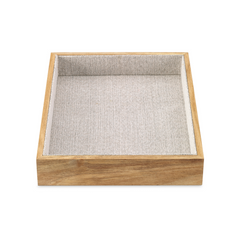
- Tip 1: Choose aesthetic yet functional trays for daily items.
- Tip 2: Modify trays as needed for cord management and to facilitate easy charging.
- Tip 3: Store less-frequently-used items in a manner that's still easily accessible but doesn’t clutter the daily use area.
Creating a World of Sound with Cochlear Implants

Jessica Moynihan | NEAT Method Boston
Challenges + Triumphs: For Jessica's young son, Landon, an organized, self-sufficient system was key to managing his cochlear implants and associated accessories.
- Tip 1: Maintain easy access to all essential items for quick and simple fixes.
- Tip 2: Instill a sense of independence through simple, self-advocacy actions like adding stickers.
- Tip 3: Prepare extra labels to ensure a swift transition when a label wears out.
ADHD: Organizing with Empathy and Engagement

Emily Christopher | NEAT Method Sacramento
Challenges + Triumphs: Emily strategically and empathetically organized for clients with ADHD, ensuring their involvement and minimizing overwhelm and indecision. ADHD organization tips include:
- Tip 1: Prioritize client involvement and understand their unique organizational needs.
- Tip 2: Directly assist in deciding which items to keep or discard, rather than create overwhelming “homework.”
- Tip 3: Respect and adapt to the client’s attention span and decision-making capabilities.
Creating Supportive Spaces Through Thoughtful Organization
Organizing for disabilities requires flexibility, empathy, and a deep understanding of how each person moves through their home. Whether the need is accessible storage, visual cues, simplified routines, or ADHD organization tips that reduce overwhelm, the right system can make everyday life feel more manageable and empowering.
In every home we visit, we meet individuals with their own unique needs and requests. Our job is to create systems that make their daily life a little bit easier and a lot more joyful. By listening and understanding any restrictions, we develop spaces that are not only meticulously organized, but also intentionally crafted for each person we work with. Connect with your local NEAT team to learn more about our services.


xx,
the NEAT team


