A question we get asked a lot is, “How do I handle all of the mail and paperwork coming into my home?”. It can be overwhelming dealing with a huge stack of mail when you don’t have a game plan, but we're sharing our tried and true method to help you get it all in order.
The fix is not more willpower, it is a simple system. Below are our five core steps for how to organize mail, plus a few extra habits and a "keep or shred" guide so paper never piles up again.
1. Go paperless
Make sure you are receiving all bank statements, car loans, phone bills, etc. via e-delivery. This can be done either online or on the phone.

2. Opt-out from mailing lists
There are several online services that can reduce the amount of unwanted solicitations you receive. Check out the Federal Trade Commission for some great resources!
While you’re at it you might as well reduce your e-mail clutter too! unroll.me is a quick way to eliminate unnecessary emails.
A few free tools make this faster: DMAchoice and OptOutPrescreen cut down catalogs and pre-approved credit offers, and the PaperKarma app lets you snap a photo of junk mail to unsubscribe from it. Stopping mail at the source is the single best way to keep clutter from coming back.

3. Toss immediately
As soon as you pick up the mail, sort out the junk and recycle it right away. No need to delegate it to your future self when you can handle it in the moment in a matter of seconds. Pro-tip: Place a recycling bin right by the front door, so it becomes a habit.

4. Create a sorting zone
Use baskets, trays or a collator with categories labeled: “needs attention”, “to file” and “to shred.” Then, regularly address the contents when each section fills up.
To make the sorting zone even more useful, give every piece of mail a clear next action instead of a vague pile.
We like four labeled slots:
- To Pay
- To Act (things like forms to sign or RSVPs)
- To File
- To Shred
When a piece of mail has a home and a job, decisions get faster, and nothing slips through the cracks.

5. Reduce the amount of paper you send
For important items like event invitations we love using Paperless Post – they have beautiful designs, the invites can be sent immediately via email and nobody needs to worry about where to put another piece of paper.

We hope these tips give you the courage to tackle the mountain of papers in your home. Doing a little bit everyday will save you from a huge task down the line.
Daily Habits to Keep Systems Running Smoothly
Give your mail a landing zone
Most paper piles start because mail has no home when it walks in the door. Pick one spot, a tray on the entry table, a wall pocket, or a basket on the counter, and make it the place mail always lands. Label it so the rule is obvious to everyone in the house.
A single, consistent landing zone keeps mail from migrating to the kitchen counter, the dining table, and every flat surface in between.
Build a simple mail command center
If your household runs on paper, a small command center pulls it all into one place. Pair your sorting slots with a wall calendar, a key hook, and a spot for school papers or invitations that need a reply. Put it in a high traffic spot you pass every day, so checking it becomes automatic. The goal is one station that answers what is due, what needs a response, and what can wait.
Set a weekly mail routine
Sorting daily keeps mail from stacking up, but the things that need action need a standing appointment. Block ten to fifteen minutes once a week, Sunday afternoon works well for a lot of people, to pay bills, sign and send what is in your To Act slot, file what matters, and shred the rest. A short weekly reset is far easier than an annual paper mountain.

Keep or Shred? Your Guide to Deciding
Half the battle with paper clutter is not knowing whether you are allowed to toss something. Use these general guidelines as a starting point, and check with your accountant for your specific situation:
-
Tax returns and supporting documents: keep about 3 to 7 years.
-
Bank and credit card statements: 1 year, or longer if they support a tax filing.
-
Pay stubs: keep until you reconcile them against your W2, then shred.
-
Medical bills and records: roughly 5 years, longer if tied to an ongoing claim.
-
Home, auto, and investment paperwork: keep as long as you own the asset.
-
Warranties and receipts for big purchases: keep until the item is gone or the warranty ends.
- Keep permanently (stored safely, not in the mail pile): birth certificates, Social Security cards, passports, marriage or divorce records, wills, and property deeds.
One rule to remember: shred anything that shows an account number, a Social Security number, or a signature before it goes in the recycling. It is the simplest way to protect yourself from identity theft.
Go digital with what is left
For the papers you do keep, a quick scan turns a filing cabinet into a folder on your phone. Snap or scan statements, receipts, and warranties, save them to a cloud folder with clear names, and shred the paper version when it is not legally required. Going digital means you can find a document in seconds and your physical files stay thin.
Frequently Asked Questions
How often should you go through your mail?
Sort and toss daily so nothing accumulates, then set aside ten to fifteen minutes once a week to pay bills, file, and shred. Daily sorting plus a weekly reset keeps paper from ever becoming a pile.
How do you stop junk mail?
Use free services like DMAchoice and OptOutPrescreen to reduce catalogs and credit offers, the FTC site for more resources, and an app like PaperKarma to unsubscribe by photo. Switching bills to paperless cuts the rest.
What is the best way to organize bills?
Switch to paperless billing where you can, then give paper bills a single To Pay slot in your sorting zone and pay them during your weekly mail routine so none get lost or forgotten.

Perforated Acacia Basket
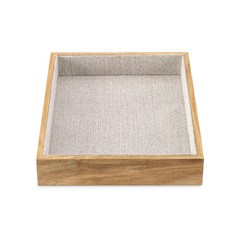
Lined Acacia Tray

Rattan Baskets
Ready for a system tailored to your home? Book a professional organizing consultation with a NEAT Method team near you.
xx,
the NEAT team


