
Knowing where to start is often the hardest part of getting organized. We get it. Standing in front of a closet or cabinet full of clutter can feel paralyzing, especially when you’re already busy and short on time. A thoughtful organizing plan helps quiet that feeling by breaking the process into clear, manageable pieces—so you’re not trying to do everything at once.
Though it’s not easy, NEAT is here to help calm your anxieties. We’ll walk you through practical steps to declutter and organize your home, room by room, in a way to keep it calm and sustainable long-term.
Before you begin, give yourself more time than you think you’ll need. Organization unfolds best when there’s space to slow down and do it well.
Start With Flow, Not Stuff: The Right Order in Which to Declutter Your Home
When you’re organizing your home, where you start matters just as much as what you’re organizing. Most people go straight for the space that feels the most overwhelming; that makes sense, but it can also make everything feel harder right away.
It helps to pause and think about flow first. How you move through your home. Which spaces you touch every day. A thoughtful home declutter plan usually starts there, in shared areas, before moving into spaces that feel more personal or contained.
From there, organizing by category—instead of trying to finish one room at a time—gives you a clearer picture of what you have and what stays. Those early decisions shape the rest of the process and make the next steps feel less heavy.
Entryway & Drop Zones
Kitchen Organization
Bathroom Organization
Bedrooms & Closets
Living Spaces & Shared Rooms
Case Study: Orange County Dream Home
Professional Guidance for Whole-Home Organization
Entryway & Drop Zones: Setting Order at the Door

The entryway is where things tend to land first. Shoes, bags, mail—whatever you’re carrying usually ends up here, which is why this space can feel cluttered so quickly.
What Doesn’t Belong Here
- Excess items: Set limits on go-to staples—think 2 pairs of shoes, 1 bag, and 1 jacket per household member. Anything beyond that is better suited for a closet or storage area.
- Seasonal items: As seasons shift, rotate what’s accessible. Sunscreen and bug spray don’t need to linger into fall, just like scarves and beanies can step aside in spring.
- Occasional-use items: If something isn’t used every few days, it doesn’t need to land here. That includes random accessories, extra gear, or items that tend to pile up over time.
Create Structure at Floor Level
Shoes, bags, and everyday extras tend to collect low, whether you plan it that way or not. Giving those items stored at ground level a designated place helps prevent clutter from spreading and keeps daily routines moving smoothly.
Structured options like Grid Baskets work well for shoes and grab-and-go items, while other pieces from the Bins & Baskets collection can adapt to different layouts and household needs.
Get the Look


Kitchen Organization: Systems That Support Daily Routines

The kitchen is one of the most active spaces in any house, which is why it benefits from clear, practical organization systems for home that are easy to maintain.
Things You Don’t Need in Your Kitchen
- Duplicates: Duplicate kitchen items that aren’t used simultaneously are common space-wasters. This often shows up with gadgets like pizza cutters, strainers, vegetable peelers, or ice cream scoops. If you don’t use both at once, choose your favorite and donate the rest.
- Bulk packaging: Bulk purchases can quickly take over cabinets and pantries. Oversized boxes are difficult to store and easy to forget about. Purchase amounts you have room for, remove excess packaging when possible, and decant staples like baking supplies, supplements, or cereal into smaller containers. Store any remaining back stock out of the way.
A Step-by-Step Kitchen Reset
- Pull everything out: Yes—everything. Empty every cabinet, shelf, and drawer, so you can start with a clean slate and adjust placement as needed.
- Categorize: Group similar items together. In the kitchen, that might look like dishes, flatware, utensils, gadgets, or pantry items. Large categories can be broken down further.
- Edit: With everything categorized, it’s easier to see what you own and let go of what you don’t need. Duplicates you don’t use at the same time can be donated.
- Place: Return items by category, placing the most frequently used pieces at eye level or in top drawers.
- Measure: Before adding containers, measure your space. This step helps avoid buying products that don’t fit.
- Contain and label: Use dividers, bins, and canisters to contain each category. Finishing with labels helps everyone know where things belong. Pieces like Oxford Bins, drawer organizers from our Drawers collection, and containers from the Canisters & Jars collection support systems that stay in place over time.
Get the Look


Bathroom Organization: Simple Systems That Last

Bathrooms don’t have much room to hide clutter. When systems aren’t clear, small items tend to take over drawers and counters quickly.
What Doesn’t Need to Stay
- Expired products: Skincare, makeup, and medications should be checked regularly and cleared out as needed.
- Too many backups: Keep what fits comfortably in the space and store overflow elsewhere.
- Loose items: Small essentials like cotton rounds, hair ties, and razors need designated places.
Grouping items by category helps keep drawers functional. Containers from the Canisters & Jars collection work well for small essentials, while organizers from our Drawers collection help keep cabinets easy to maintain. Planning on adding labels? Check out our label holder sets.
Get the Look

Bedrooms & Closets: A More Intentional Way to Organize

The bedroom and closet work best when they support how you start and end your day. When these spaces get overloaded, clutter tends to show up on surfaces and inside closets alike. A clear organizing plan helps keep both areas focused on what you actually use.
What Doesn’t Need to Stay
- Bulky hangers: Thick wooden or tubular plastic hangers take up valuable rod space. Switching to slim, matching options from our Hangers collection allows you to fit more without crowding.
- Clothes that need mending: Items with torn seams or broken zippers shouldn’t linger in the closet. Pull them out and handle repairs promptly so they don’t turn into stored clutter.
- Donations: A donation bin can be helpful, but only if space allows. When closets feel tight, collect donations elsewhere and keep this area focused on essentials.
- Seasonal items: Heavy coats, costumes, and holiday pieces should be rotated out when not in use. Under-bed or off-season storage works well here.
Keeping clothing organized and surfaces clear helps the bedroom feel more settled, while the closet stays functional rather than overfilled.
Get the Look


Living Spaces & Shared Rooms: Keeping Order Without Constant Resetting

Shared spaces work hardest when they’re set up to flex. Living rooms, family rooms, and common areas tend to collect a little of everything, which is why simple organization systems for home matter most.
The Items That Create Chaos:
- Unassigned items: Books, toys, cords, and everyday extras need a home, even if more than one person uses them.
- Overflow from other rooms: Items without a clear place often end up here. Relocate them regularly to avoid buildup.
- Overfilled surfaces: Coffee tables, consoles, and shelves stay clearer when they aren’t asked to store everything.
Grouping items by category makes shared spaces easier to reset. Flexible pieces from the Bins & Baskets collection work well for gathering everyday items, while curated options from the NEAT Bundles collection help maintain consistency across rooms.
Get the Look



Case Study: A Look Into Lindye Galloway’s Orange County Dream Home

We love showing finalized NEAT spaces on our Instagram feed, but what we love even more is telling the stories of how our clients are living more efficiently in their newly organized homes. Take a look at interior designer Lindye Galloway’s new home to see what makes it so NEAT!
- City: Orange County, CA
- Professional Organizer: Katie Koentje
- Interior Designer and Client: Lindye Galloway
- Space: Kitchen, Pantry, Primary Closet, and Bathroom
- Hours to complete: 20 hours with 4 organizers over 4 days
Objective: Our goal was to completely unpack and organize the Galloway family to help them move into their newly designed dream home.

Challenges faced: With any new home renovation, there were construction delays, but the team handled them flawlessly. We were able to pivot our start times and work where we could and when we could to get Lindye and Winn settled and moved in on time!

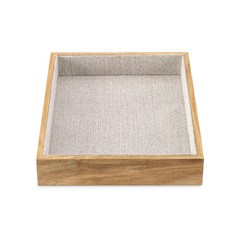
Stand-out products: Our Everyday Hangers looked stunning against the custom-built California Closet. The drawer organizers and lined Acacia trays were the perfect complement to their bathroom drawers.
Get the Look
Professional Guidance for Whole-Home Organization
When organizing extends beyond a single room, extra support can make the process feel manageable again. Working with a professional helps bring structure, pacing, and follow-through to larger projects.
If you’d rather not tackle it all alone, we’ve got you. Learn more about whole-home organization services and see what support could look like for you.
xx,
the NEAT team


